
Wow, it is the last week of November! Where did the time go? I hope you all had a good start to autumn. If you did not, that is okay. I hope all is well. If you have been tracking my page you can see that I was up to a few things this summer. I have had a busy few weeks these past few weeks with exams. I am now catching up on rest and other projects.
Personally, transitioning into November has been ROUGH! Especially as our clocks went back. I felt drained with anxiety, thoughts and things happening around me (most out of my control). Does anyone else feel that way? I felt that I have been having horrible sleep, mood shift and stress. I used my own advice from an earlier article I wrote Click here. This advice helped me slowly get out of the funk I felt in September and October. And now, have been trying to cope as our clocks moved back early November.
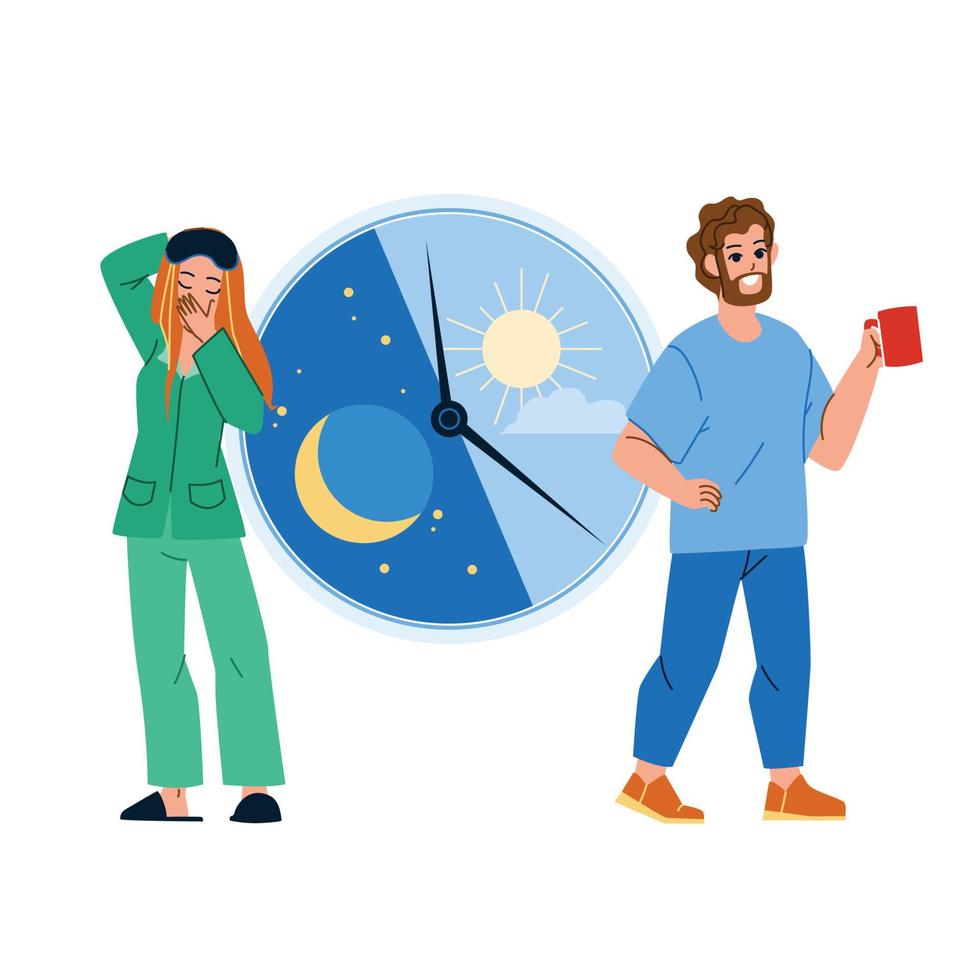
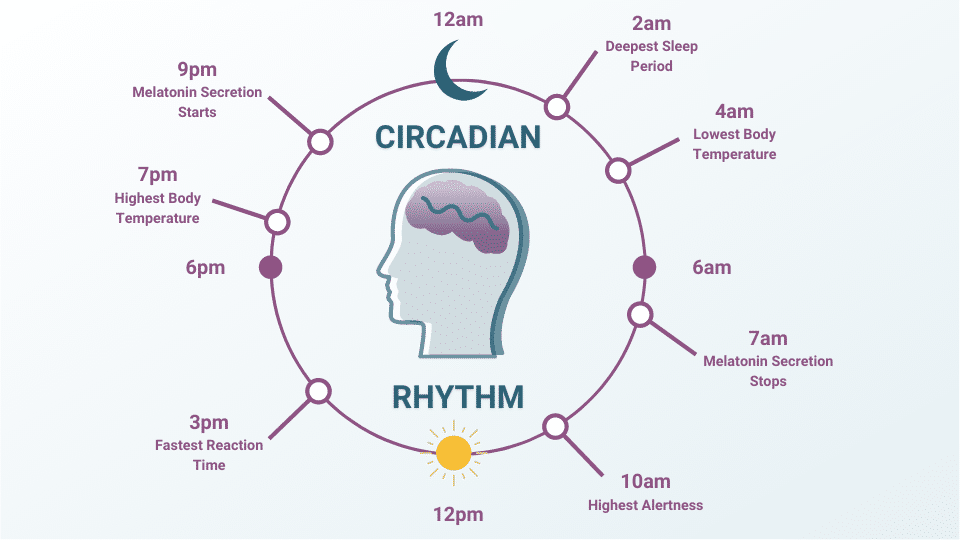
Today, I want to focus on coping with the time change. I also want to talk about ways to maximize our circadian rhythm. Before that, I want to point out the importance of our circadian rhythm. Our circadian rhythm is a simple concept. It is a 24-hour cycle that matches the daylight and dark hours in a day. Our circadian rhythm intertwines with different hormones that effect our sleep, digestion, body temperature and hunger in particular. The diagram below demonstrates how melatonin, a hormone made in the pineal gland acts. It tends to increase as it is darker which tells our brain to sleep. In the day time cortisol and serotonin are other hormones that help us arise and stay awake. Along with this, our body temperature fluctuates. So why is this important to know?
As we shift into winter and our clocks turn back, it can make people feel out of alignment. Our body has to adapt suddenly to new daylight hours. Studies show an increased risk of cardiovascular incidents during this period. There is also an increased risk of car accidents. This risk is a small percentage but still scary when you think about it. The time change can be a minor stress to the body. Having a lifestyle that helps to adapt to the weather can help our body cope and work. So what can we do? We can’t control the time or how dark it is outside. Nonetheless, there are ways to combat and maximize our circadian rhythm.
- Sticking to a morning routine
- Sunlight, light exposure & UV light therapy
- Eating nutrient dense food
- Sleep hygiene
- Water intake
- Exercise, hobbies & leisure activities
- Having a support network
1. Sticking to a morning routine – we feel groggy in the morning. We feel out of place because we see nothing but darkness every morning. Does this sound like you? I find setting a consistent time to wake up helps. Limiting how long I stay in bed after my alarm also helps. Most nights, I try to mentally or write down my plan for the next day as motivation to get up. I also find that keeping a regular morning routine, eg. making my bed, brushing my teeth, and making breakfast are small tasks. These actions can help you regulate your morning routine as daylight slowly begins. If you struggle to create a morning routine, write it down. This helps until you adapt to one. Let me know if this helps!
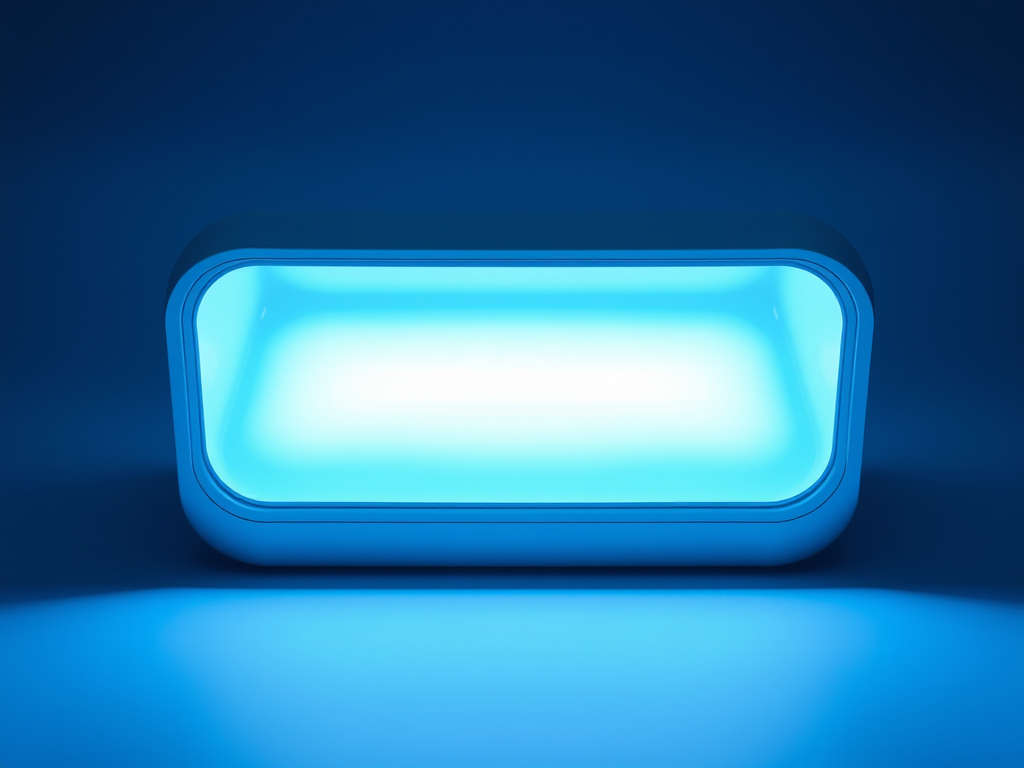
2. Sunlight, light exposure & UV light therapy – with the time change, we lose a lot of natural light. We leave early for work or school, which reduces our exposure. This happens as we leave early for work or school. Do you find you have this problem? We can find it hard to find light sources. These sources internally help the body adapt for sleep and waking hours. Going outside during break times or sitting near open windows with natural light can help. If you do not have access to natural light, use UV lamps upon waking. Being in brightly lit rooms also helps. I tried to use UV light therapy lamps in 2022 and 2023 November to February. I found it beneficial if using it consistently. Having bright lamps and ceiling lights in homes can also help keep our mind active. I find around 8 pm I start to get tired. Do you? I try to keep active at home as I adapt to the time change. Using bright lights helps me avoid going to bed too early. But hey, maybe our mind needs that rest, so if you need to go sleep, listen to your body.
3. Eating nutrient dense food – in a past article, I mentioned how eating can help reduce anxiety. It can also help reduce depression. It does so in small ways by giving our body the right energy it needs. This relates to our circadian rhythm as well. I eat a nutritious breakfast. I like to eat eggs, protein powder in oats (or without), and bread with avocado, for example. This kick-starts my body to digest things well in the morning. The same relates to dinner. I notice changes when our clocks turn back. Our digestive tract needs time to adjust to a new routine for winter. To prevent feeling sluggish, I try to keep a consistent eating schedule. I avoid food that makes me feel drowsy (you will find these patterns according to your own body). Having the right supplements like vitamin D, C, magnesium also helps.

4. Sleep hygiene – has anyone felt like they have had a tough time getting to sleep?! I felt with the time change I am awake a lot later than I would like to be. Initially, I felt fresh waking up but as the days went on I have found it tougher to fall asleep. Sleep is such an underrated health advantage. This is something I am personally working on to improve even before our clocks were set back. I find setting up my sleep area an hour before I want to sleep helps my body adapt to sleep. This means dimming the lights around. I get some small movement by cleaning up my space to prepare for the next day. Taking magnesium lately seems to help me. Reducing screen time on TV/laptop/phone an hour before bed helps. Setting up my alarm and mentally preparing an awakening time helps me too (I know, motivation before bed? HAHA). Despite me doing this, I have been still sleepy in the morning. Some nights lately, I take melatonin (not something I regularly like to do but it helps). So, alas, I am still a work in progress. Comment below on what helps you sleep, I am curious.
5. Water intake – I found that with the time change I have been waking quite dehydrated. I have been putting an effort to drink more water consistently in the morning before the start of my day. I find this helps me digest food properly and my body feels more comfortable. I reduce my fluid intake after 8 pm. This helps avoid waking too much in the night and allows my body to rest.

6. Exercise, hobbies & leisure activities – the time change and more darkness make it very hard. It can be hard to motivate yourself. The shorter days make it difficult. This can make exercising feel challenging. Have you been struggling with this? I have! The best way to combat this, especially on days we do not want to work out, is to simply walk! Walking for just 5-30 minutes can help you gradually return to lifting. It also can help you engage in whatever activity you enjoy. Only towards the end of November did I find the motivation to get moving again. This is especially true on those dark and chilly nights when it is a big struggle!

7. Having a support network – Friends can help you. They make it easier to keep a routine that works. If you find yourself struggling, seek out their support. They will hold you accountable. Finding groups over the winter with activities you enjoy helps as well. Not from a big city? If you do not live in a big city, brainstorming ideas with loved ones helps motivate you. It encourages you to do activities we have not thought to try. If you feel you lack support, find groups online. Journaling or writing what you wish to do or achieve creates a mindset to start when you are ready. If you find you are struggling though mentally, it is good to get professional help or call helplines. Get the support you need.
What are some ways that have helped you as our clocks went back and as winter approaches? Our bodies circadian rhythm plays such an important role to how we feel daily. I hope these tips help. Feel free to comment anything that helps you, it can help someone else.
Have a great start to December!






 Brown Pepper Talks
Leave a Reply