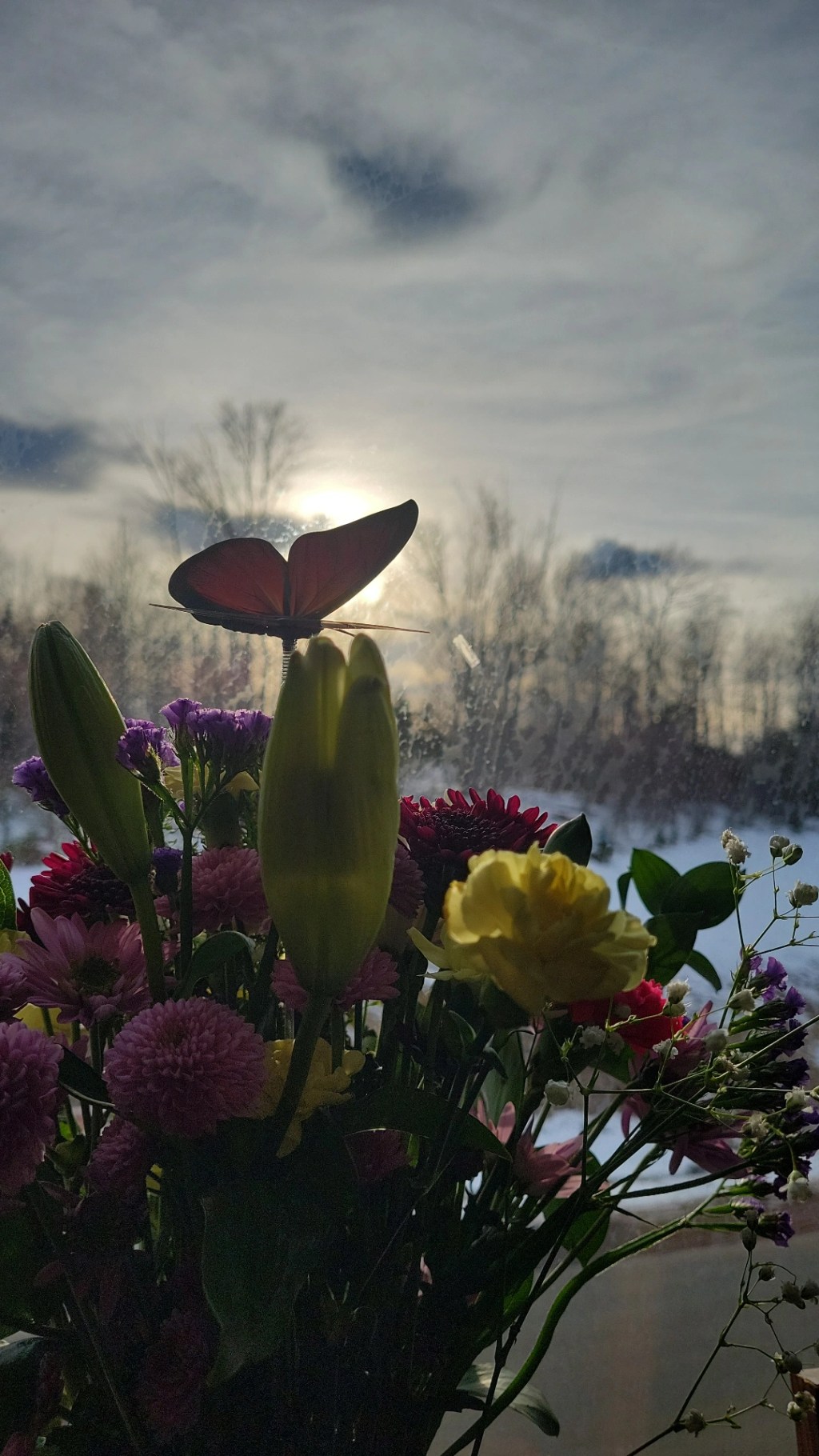
Hello to my fellow readers. I hope that you are all doing well as we head into mid-June. Time truly does fly doesn’t it? How have we already reached the half year mark?! From my last post, so much has changed. If you did not get a chance to see my last post from Mexico City, click here. Hoping that you will see more content from me this year. This is my first post for 2026! As you can probably guess from the title of this post, I recently lost a loved one, my mother.
I lost my mother three months ago from chronic kidney disease complications. For some context, my mother had fallen off a speeding treadmill last spring. She was recovering well but had the start of complications in November. My mother was a dialysis patient, meaning three days a week, she sat on a machine (hemodialysis) which helped clean her blood to survive. It was not easy for her. She started dialysis at the end of 2020. Apart from this she was a healthcare provider, a mother and a wife. I moved back home in the spring of 2021 to be a part-time caregiver. This helped my parents, as my mother at that time had a hard transition with dialysis (not going into details here).
Last year, when my mother had her injury, I took the role to be a full-time caregiver along with my father. I am from Canada and often, the healthcare system here can be complex and challenging, for both staff and patients. It can be hard for patients to vocalize for themselves and to get the proper care they need; often due to lack of resources if you are not from a major city. As someone with a medical background, which in itself was a privilege, I further began to understand the challenges. I began to understand the importance of advocacy and knowing how to navigate things in a respectful manner. I got to understand the experiences of other patients, bystanders and staff as I spoke to them while my mother was admitted in hospital during different phases of her health. If you are an active caregiver or a dialysis recipient, know that your efforts and time are seen. If you would also like to learn more about kidney disease, click here.
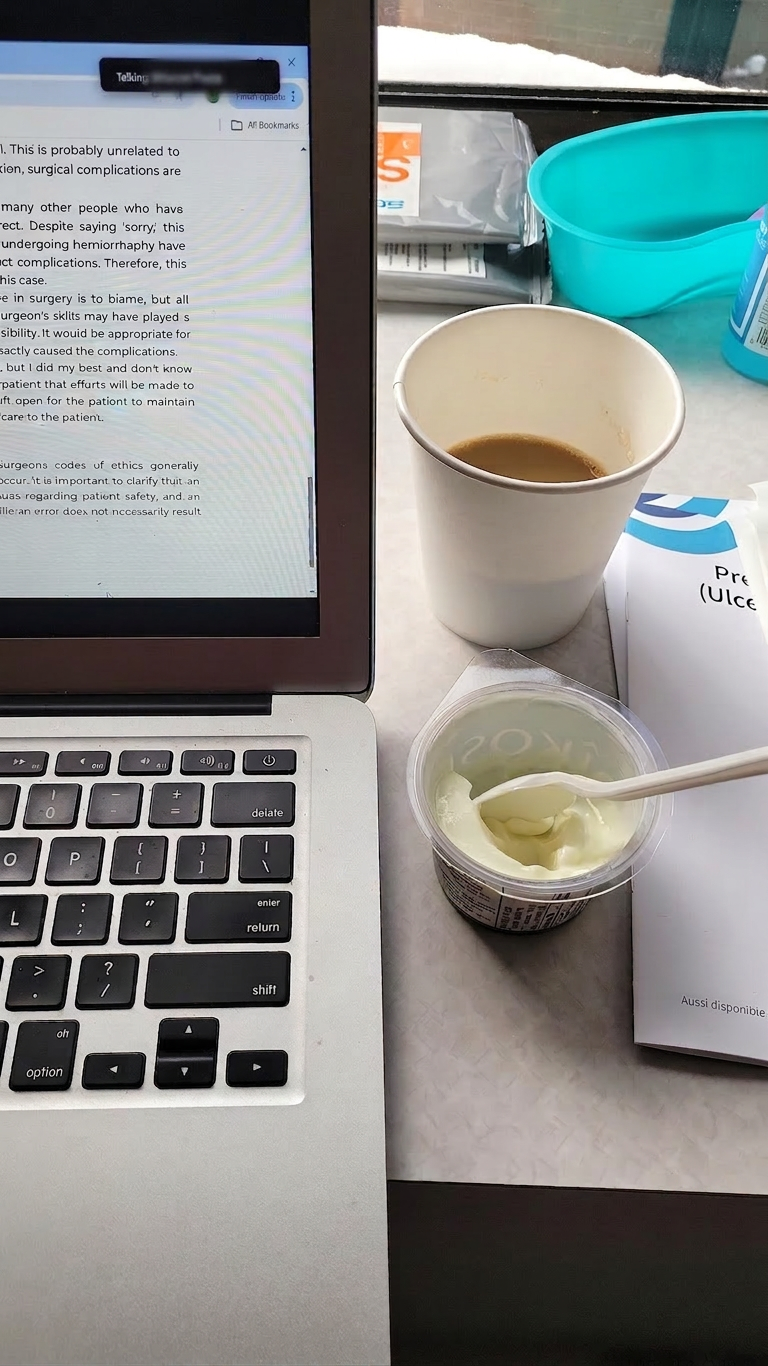
So what did caregiving look like for me? Caregiving came in the form of hospital visits, dialysis sessions, physiotherapy, lending a hand at home, advocacy and planning my days ahead of time to make sure I was balancing my own time and life. I am South Asian, and in my culture, caregiving for the elderly is something we learn and cherish. Many often feel its an obligation we owe for those who have helped raise us. Which in my opinion is never a bad thing. I know this topic is controversial for some, but for me, I felt it was a blessing. The role I played helped my family cope during very hard and difficult times. Sometimes getting medical help was hard, as we were in multiple parts of the province of Nova Scotia receiving care. Especially for my mother who was the main character going through everything. She did the best with the challenges thrown at her and in my heart and mind we know we did our best.
Being a caregiver role taught me a few things:
- It taught me how to organize my time efficiently. I swear though, I think anyone in medicine is naturally taught how to multitask and somehow get things done.
- It taught me how to slow down and be more patient.
- I taught me to listen more effectively. Being able to pay attention to symptoms and help my mom in the capacity that I could. My father also played a huge role doing whatever he could with cooking, doing small household chores and making sure she was comfortable getting to appointments etc.
- It taught me patience towards staff and advocacy. There are a million different things that happen in a hospital setting. It is important to communicate clearly and respectfully (I cannot emphasize this enough). It can help teams understand you and your loved ones navigate the system. Everyone wants to help.
- It taught me how special connections and time can mean the world to anyone.
- Adaptability. I learned to navigate different hospitals, staff alongside my mother catering to whatever was needed. To help things flow in her care.
- It taught me how precious life is.
- It showed me the importance of being present. I often saw many elderly alone. I used to visit, talk and say hello always. To acknowledge and make them feel good, even if small. It goes a long way.
Caregiving sometimes took a lot of energy from myself. If you are a caregiver, have you ever felt that? What did you do to help yourself? It was important that I took breaks even though this was hard at times. This came in the form of going to the gym, talking to friends over the phone and doing hobbies I enjoyed. I found that my social life did go down. But that was okay, it came with acknowledgement that I would be sacrificing personal time. We never will get this time back right? I needed more support. I searched online and found CareGiverNS. I was put in touch with a coordinator who helped myself and family with various things. I am thankful to the coordinator who spent time and was available 24/7 for mental support. Even after my mother passed, this person helped my father cope for grief support.
At different times, I was in therapy to help manage my own emotions. I cannot emphasize the importance of self care. Having a positive outlook in hard situations made things manageable and less stressful. For example, when my mother had had restless legs, a very common entity in end stage kidney disease, I used to massage her legs, or my dad and I sat to watch her favourite shows to help her relax and sleep (many nights I slept with her as she was in pain). It can be quite difficult. Having emotional strength and taking care of my own well being was key. Caregivers can often neglect this, become burn out, which can come in the form of anger and resentment, leading to abuse. If you feel unwell please seek help to get help for your loved one and yourself.
I feel quite vulnerable sharing all this. I feel people trained in medicine or anyone can fear being judged or not taken seriously if sharing such personal experiences. However, I am realizing there is a superpower to sharing one’s own journey. I hope in the future this can make me an even better clinician in the future when I have my own practice. But anyways, lets refocus.
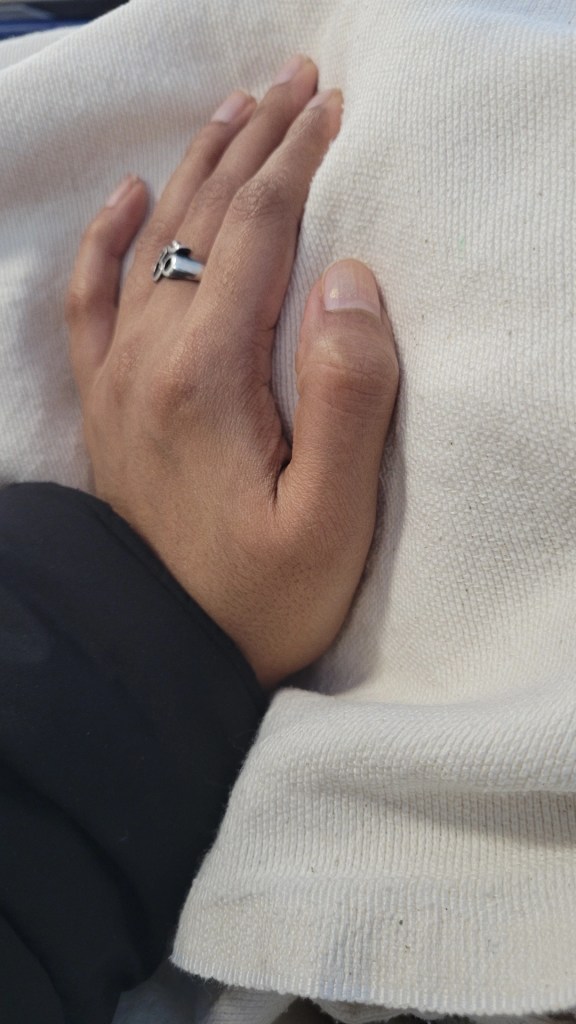
The week we submitted things for continuing care (click here to know more about continuing care) with her family doctor, my mother got quite unwell towards the end of January and was admitted in February. This sudden change of events was not expected. My family and I had initially hoped with continuing care, we could have more support in her recovery from her fall and from a recent outpatient procedure she had done. I thought we had more time with her. It would have helped balance time for my studies as it was getting tough. When she got admitted, attending dialysis sessions was becoming tougher and she was in and out of slight confusion. She left her job suddenly, not knowing what would be next. I felt sad knowing that the people she helped herself were not aware of the situation. My mother must have felt so many emotions and all she wanted was to go home. Everything felt like a whirl but everyone pushed through hoping for the best. My father and I balanced our time to be available for her dialysis sessions. We had to drive 45 min to another hospital as our home town does not have inpatient dialysis (this was really hard to cope with for everyone). We informed my brothers of the situation and close friends. My two brothers quickly arranged to come for further support (they helped whenever they were home as well – before when my mother was doing well too).
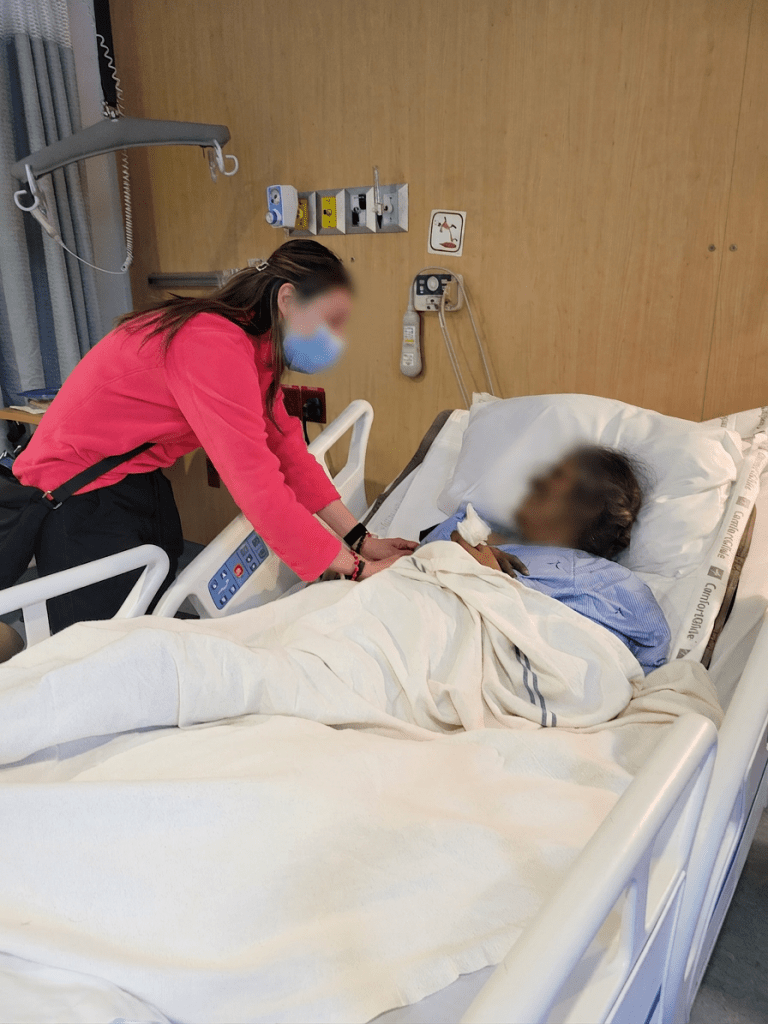
Staff were working very hard to find solutions into the sudden health change she had. We eventually got shifted into the palliative floor as things took a turn. We did not know at the time what would happen as physicians were evaluating daily alongside us. The next three weeks spent was emotional. We were lucky to have had wonderful nurses and two doctors on the floor who dedicated so much time and energy. By this time, my brothers had flown in. One of my best friends also flew all the way from Texas to support my family. Shoutout to you Pamela! She came and supported us with homecare, taking care of mom and being a mental support for us. I also had support from many of my closest friends who were not near. They did video calls with my mother helping her feel supported and to keep her smiling. This played an important role for my family since we do not have close family around. What have you done if you had no support, family or friends? It may help someone reading this if you comment below. My mother at this point I feel, knew her body was slowly giving up and she was trying to spend her days with us. She never expressed it, but I could feel it in her actions towards everything. The palliative team at this point made a pain management plan for her body to feel less pain.
Towards the last 10 days when we had to make the hard decision of stopping dialysis. We had a family friend who did traditional prayers and supported in an unforgettable way for my family. My mom verbally expressed when we had a family meeting with her palliative doctor that she had lived her life and there was nothing more we could do. At this time, she had been in and out of slumber and confusion. It was nice that we could have this conversation and she could vocalize her wishes to everyone. Was this a great feeling? No. However, some patients are not able to express their last wishes. I was not sure if we would get this but we did. If I could describe what it felt to hear someone say their final wish before death it felt sad, not real, shocking, needing quick acceptance and strange, all in one. It helped prepare us in a way, even though it felt uncomfortable. I feel this is where my first stage of grief seeped in – feeling numb and keeping positive to avoid crumbling. How was this experience for you if you have ever gone through this? and if you did not get this, what did you wish were done differently? I was keeping strong for her and everyone around me. I am sure she always knew she was loved. Many times, during feeding (she had a hard time feeding herself the last few days) my friend took over. I remember crying once, not having strength to feed mom. I looked away and cried silently. I felt overwhelmed when buzzing for a nurse thinking I was bothering. But remember, if you are in this part of the journey, you are NOT burdening anyone.
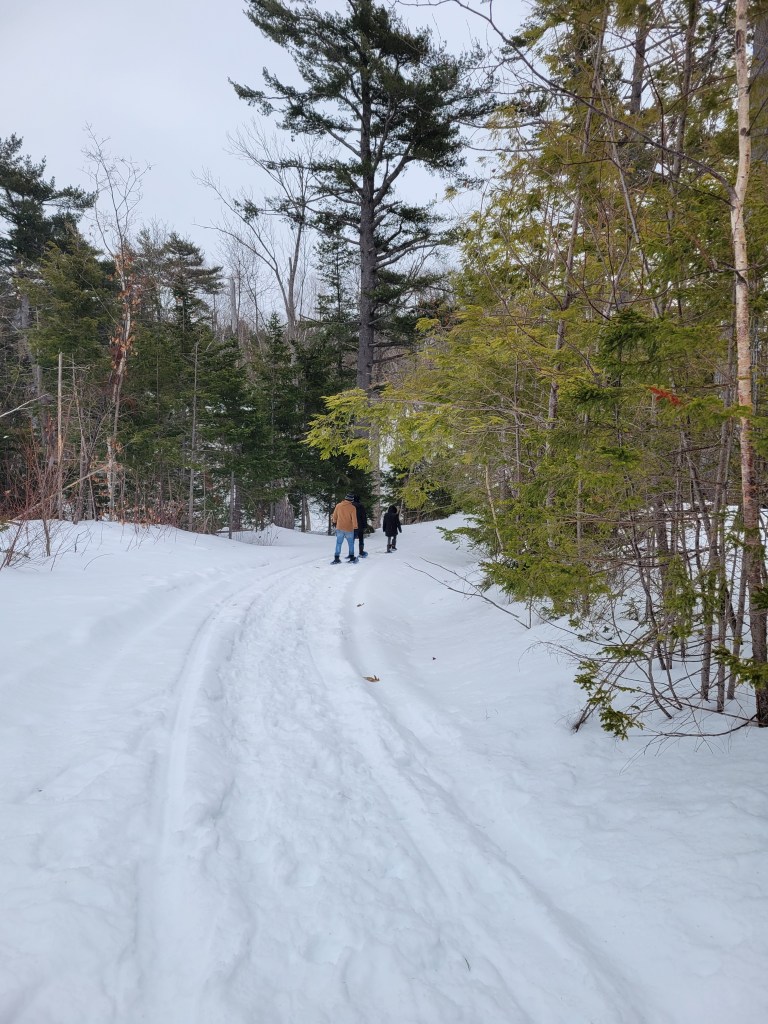
When things got too overwhelming, we took short breaks. The picture above was taken a few days prior. We went snow shoeing before snow had melted away. It felt nice to have that little escape to breathe. When I was alone with my dad, it was often hard to have breaks. It was hard for me to detach to take a break. I knew I had to though and used the opportunity when more people were around. Towards one of her last dialysis sessions, I had a moment of panic. I came to a realization that my moms capacity was declining. I was standing from a nursing station. I cried as I watched my father standing near her stretcher as he wanted her to try a dialysis session. At this point, her sessions had been getting tough for her dialysis team and herself. I felt sorrow that he may lose her. I found myself breaking down, crying and hyperventilating. The palliative nurses who saw me as a strong bystander, told me to slow down, to breathe and to not act as a doctor, but to be a daughter. To let go. They told me to unfold the tension I had been holding and to allow myself to show my emotions. I wept and they wept with me. I took tissues they offered and pulled myself together. I felt embarrassed. Often in training, we have to be strong for other people, be professional and get used to holding the grievances of others. This was how I felt at this moment. I did not know any other way. But we are all human after all. I often questioned myself though, ‘Why was I not crying and breaking down every day like other people?’, ‘Is something wrong with me?’. This is normal and you are allowed to let go – even if you are a nurse or doctor! It does not make you weak. In fact it is the opposite, it shows you care.
My mother passed one early morning around 4am. My father had stayed the night before when it happened. In a way, my brothers and my friend were in shock when we were informed. We were also glad my dad was there at the end of her life. We drove and arrived an hour or so later. We sat with her for three hours with a close family friend. I did not know how to feel. There was nothing more we could do but pray for her soul and enjoy the last times being with her. I felt very sad for my father, knowing he lost his wife and companion. It felt unfair she was gone, but she was not alone. Even though it was a sad time, I felt thankful for being able to be there. To have had two parents who raised a healthy family. If you have ever gone through this, what were your thoughts in this moment of loss? I know that there are circumstances where people cannot have this time, or have hard family dynamics. My heart goes out to you.
From a medicine point of view, she passed gracefully and non-invasively (meaning there were no sudden life threatening precautions or procedures taken). Sometimes patients can pass away in very detrimental and painful ways. Even though my mother went through pain, she had some time with us. I was processing emotions of feeling gratitude for being available in the same country to be with her. Planning her funeral and memorial service in Hindu traditions was a bit of a challenge as I live in a sub-rural area. We luckily found a funeral director who contacted around the province and found a location (shoutout to the wonderful director – they offer cremation services for all faiths in Nova Scotia; click link). These are the type of things that we often do not think about. The planning, how to execute, or even being ready to let go of someone so suddenly. The day of my mothers cremation service did not feel real. It felt as if I was helping her prepare just like any other day. She looked young and in a peaceful slumber. Or maybe I felt numb to it all? How was your experience if you have ever gone through this? It felt calming that she was no longer suffering, but it felt strange no longer being able to talk to her or see her smile. I think that part felt hard for me. If you need help with finding a priest (Swami) for Hindu cremation services, please contact me. I have no problem in helping with someone I found in eastern Canada – he does multiple regional traditions and catered to the Kerala Hindu traditions that we needed.
When we think of death, we may think we will go through the five stages of grief. If you do not know what those stages are, let me share to you what they are via the Kübler-Ross model:
1. denial
2. anger
3. bargaining
4. depression
5. acceptance
As a caregiver, the sense of urgency that I had for the past few years lingered the following two months. I worked with friends and myself doing administrative things in closing my mothers work and adapting back to my own life. My parents are from Kerala, India (my mother came in 1985 to Canada). So we had to call and inform relatives of recent events taking place. They arranged things accordingly in Kerala as well. This was an interesting experience, learning to balance both worlds in terms of death. Arranging things according to our customs was not easy as mentioned, but things worked out. And again, if you are trying to navigate things yourself as a South Asian in the east coast of Canada, please, do not hesitate to reach out! I have no problems assisting you as you navigate this.
It is exactly three months today since she passed. I have often felt overwhelmed, fatigued and honestly, sort of functioning like a zombie. Post care giver fatigue is a REAL thing! My body’s sense of urgency is slowly dissipating as things normalize. I am currently in board preparation and I feel her around me everyday. I have truly not felt that I lost her many days. Is this denial? Or part of the experience in grieving? There had not been many times I cried. I never had a hard ‘cry session’. I thought to myself again, ‘Is this normal? why am I not in despair?!’. During therapy, my therapist mentioned that I might have been so busy, overwhelmed with urgency, used to being overstimulated from many things, that my brain was taking time to process, to slow down. At the end of therapy session last week though, the tears and acknowledgement finally appeared. I also found that my body was in a fragile state. My body had been under constant tension many years. Some days I feel like doing nothing. I weight train and found that often my body did not let me move too hard. I struggled to do yoga but showed up when I could. I allowed myself to feel the emotions and not push myself. Having long conversations felt taxing and holding emotions for others felt hard. I was pouring from an empty cup and sometimes till today I am feeling this way. My energy is spent most days. Many nights I would not do anything but eat and go straight to bed. Is this normal? YES! This your body releasing from a traumatic event and learning to respond. I am wary of where my energy is being spent these days and giving myself time to gain my full strength. How have you coped when you lost someone? have you been able to move forward and what has that looked like?
Grief has not necessarily been a linear experience for me. I have never felt anger or denial according to the phases of grief. I feel grieving will never be a linear thing and does not necessarily have to be a sad experience either. It will feel different for all. I am feeling more optimistic lately and bright towards my own future. I know that my mother lived a good life. She worked hard for herself and gave my family pure love and experiences she could in her lifetime. She went through dialysis, often not feeling happy about having to. She dedicated her time knowing it was her lifeline. Many days she wanted to give up and felt no quality of life. Kidney patients on dialysis mentally and physically go through a lot. I often wish she had a more positive experience. I wish there had been better mental support for herself and family in this aspect from nephrology. We never got to know her prognosis and know the signs of anything. Which was hard. I advocated as did she but it was not easy. However, her dialysis, VON nurse and other healthcare teams were excellent.
I know she is not here anymore physically but her energy is around me and my family everyday. I know she will always be a part of my life no matter where I go. I feel content and blessed that I had a mother who was by my side. I have her resilience and strength. Not everyone can say this and I never have taken any part of my life or what my parents have worked and provided me for granted. I acknowledge there will be hard days in my grieving journey. Days I am questioning things, wondering why things happened. But it is a time I cannot get back. Life is quite precious isn’t it?
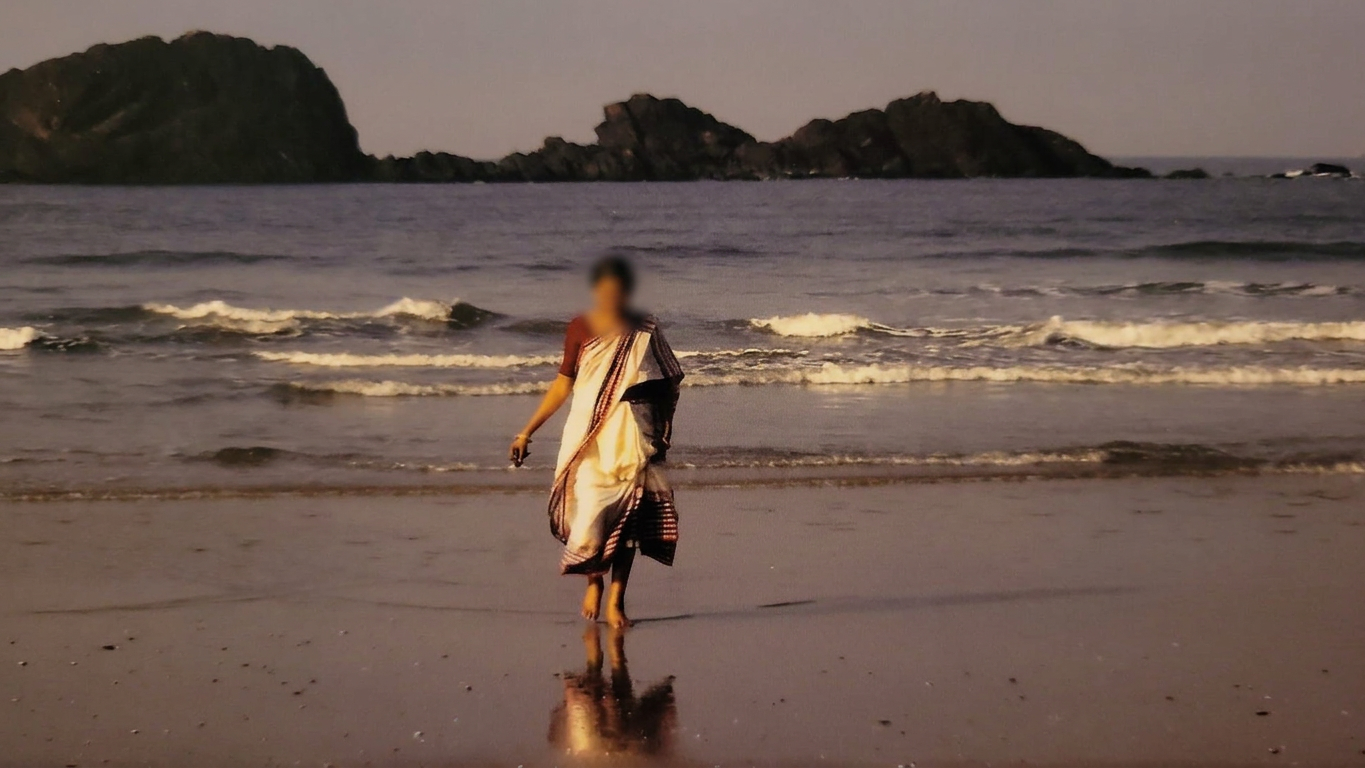
I am not sure if my post will resonate to anyone who has lost someone or is currently in a caregiver role. I am still processing things and it will probably take a long time to truly feel the loss. This is a synapse of what early grief has been like for me and my caregiving experience. I feel that for me, feelings of grief has been a gradual process. Grief does not necessarily have to come sudden and that is normal. There are many emotions I feel even culturally about her loss. Things I may never understand and things that I also forgave mentally in my relationship with my mother (something I may discuss later in a podcast – yes I am trying to make one!). Grief is a very personal journey. It can feel lonely or maybe you will be supported throughout. There is no correct or wrong way to grieve. Having a support network, even if small can help. Do you feel low and unable to move? I have involuntarily. Slowly navigating your hobbies, taking walks, doing things you enjoy, socializing in time will make things feel less cumbersome. If you are alone, please reach out to anyone. There are numerous links online if you wish to navigate alone as well. For one, click here. Knowing my mother’s impact on others and that ability for me to repay that to her as a daughter is one the greatest feeling and blessing I will carry for the rest of my life. And for that I am thankful, blessed and feeling happy about that. She was a beautiful, dedicated and hard working woman who overcame so much.
Let me know what your thoughts are down below. Feel free to share anything.
I know this is such a complex topic and it was not easy to write this.
If you are in any part of this process, know that I see you, hear you and feel you.
And mom, I love you. Even though I never expressed this enough, thank you for raising me, moulding me and being there for me. It has made me who I am today. Thank you for showing me the capacity and achievement of what a woman can do in her lifetime.
Till next time guys.






Leave a Reply